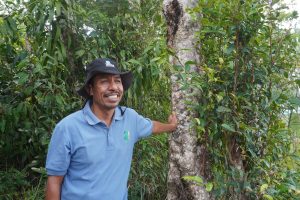
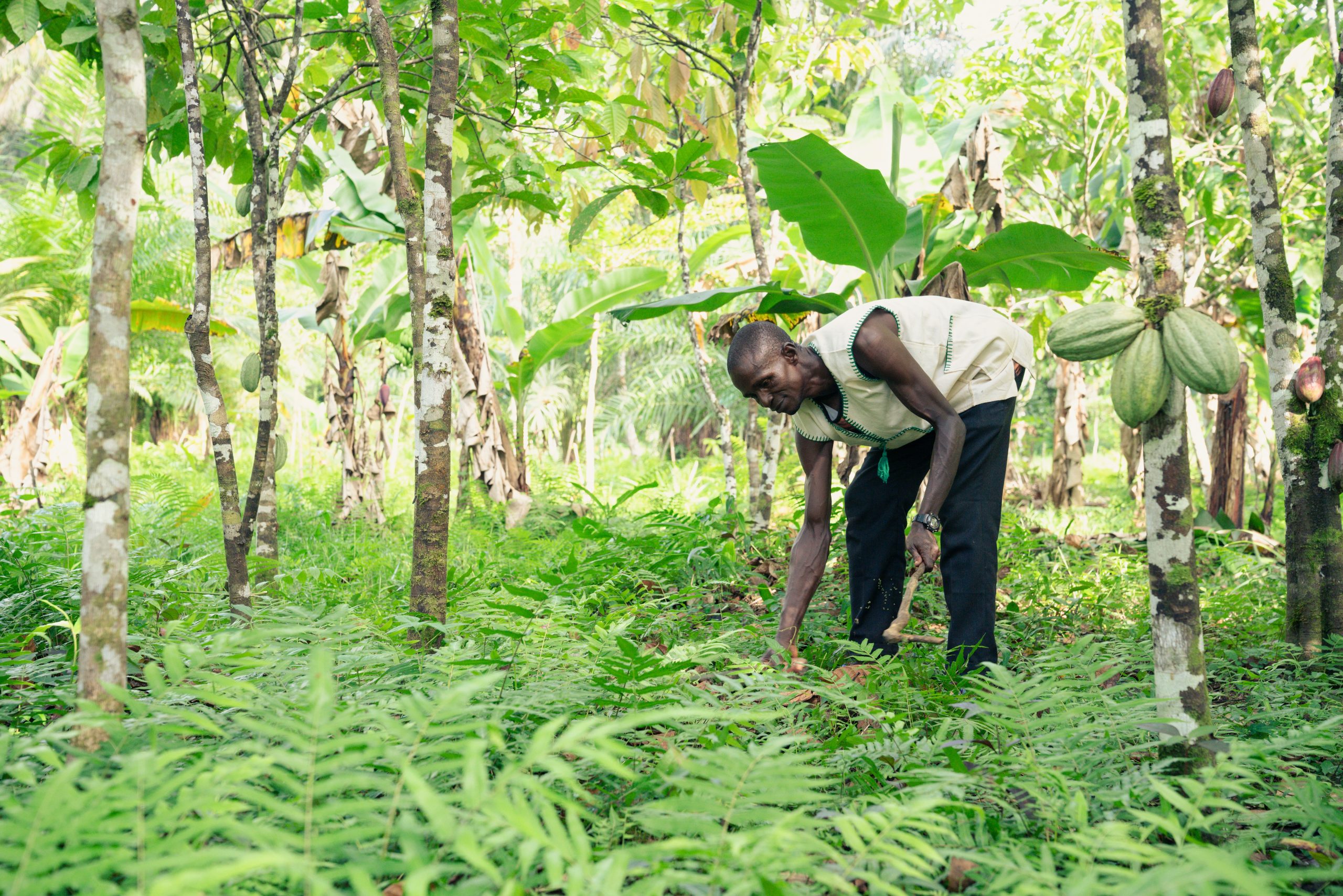
Whether it's chocolate chips or a scoop of chocolate ice cream, every chocolate treat begins with cocoa. And behind every cocoa bean is a story. The way cocoa is grown can have a lasting impact on forests, wildlife and the people who depend on them. In Sierra Leone's Gola Rainforest sustainable farming helps communities thrive while protecting one of West Africa's most important rainforest landscapes.
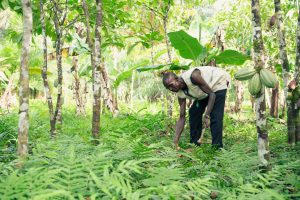
Cocoa is one of the world's most important crops that traditionally grows beneath the canopy of tropical forests, where shade trees help create the ideal conditions the crop needs to flourish. However, in many parts of the world forests have been cleared to make way for agriculture; this threatens biodiversity by reducing habitat for wildlife. By embracing sustainable farming cocoa can become a solution to protect forests while supporting the communities that depend on them.
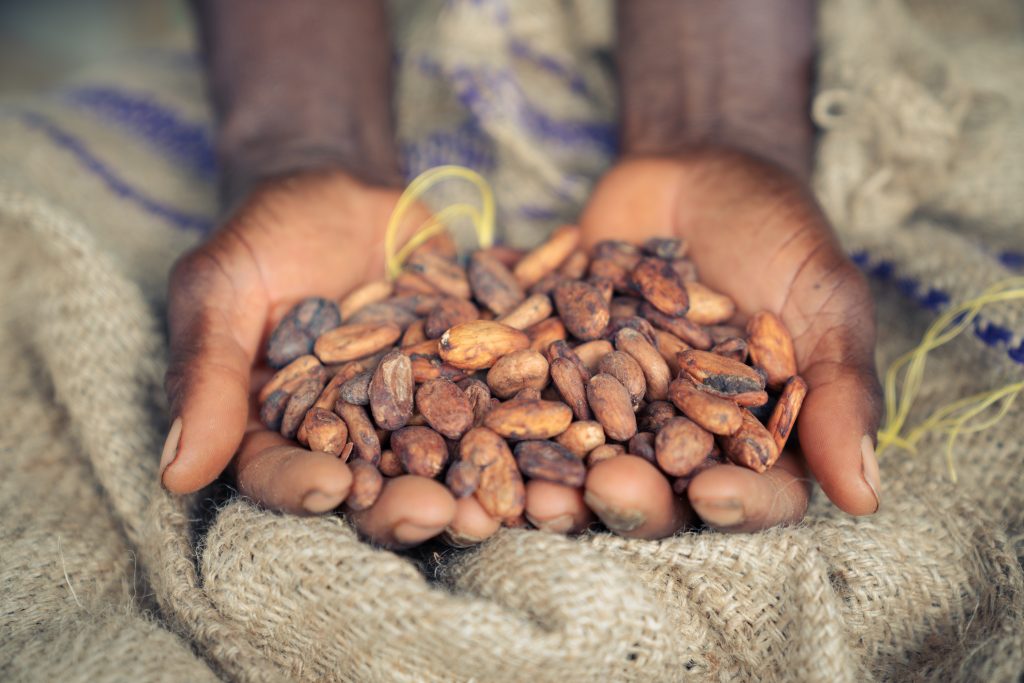
In the Gola Rainforest of Sierra Leone, Trillion Trees partner BirdLife International is working with Conservation Society of Sierra Leone and the RSPB, supporting communities to produce forest-friendly cocoa using agroforestry techniques. These diverse farming systems help improve soil health, provide habitat for birds and other wildlife, increase resilience to changing environmental conditions, and offer farmers additional sources of food and income. The Greater Gola Landscape covers 350,000 hectares of tropical forest, crossing the border between Sierra Leone and Liberia in West Africa. This habitat harbours more than 320 species of birds as well as endangered mammals including pangolins, Chimpanzees and Forest Elephants and Pygmy. However, the landscape also faces a number of threats, including illegal logging, mining and hunting.
Thousands of cocoa farmers, including members of the indigenous Ngoleagorbu people, have grown cocoa in this region for generations. Yet for many years, they received only a small share of the value of chocolate made from their harvests. Today, farmers are working together through democratically run cooperatives that improve access to premium markets while ensuring greater transparency throughout the buying process. These members receive technical training and share knowledge about agroforestry.
The cocoa produced through the Gola Rainforest project is sold to international chocolate makers. Income generated through these sales is reinvested into both the farming communities and the continued growth of the forest-friendly cocoa programme.
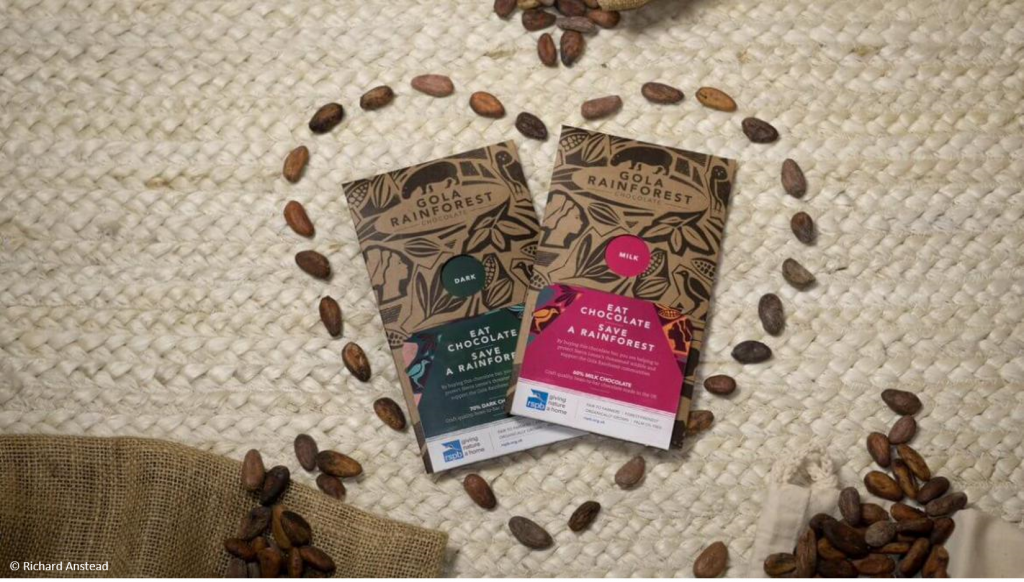
Chocolate lovers can experience the results for themselves through Gola Chocolate, helping support a sweet that supports forests.
This World Chocolate Day, every piece of forest-friendly chocolate is a reminder that the choices we make can help create healthier forests, stronger communities and a better future for wildlife and climate. World Chocolate Day, every piece of forest-friendly chocolate is a reminder that the choices we make can help create healthier forests, stronger communities and a better future for wildlife and climate. The sweetest chocolate is the cocoa that is grown in healthy forests.