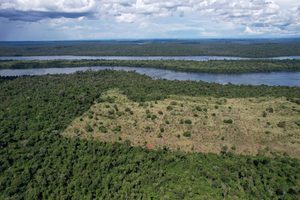
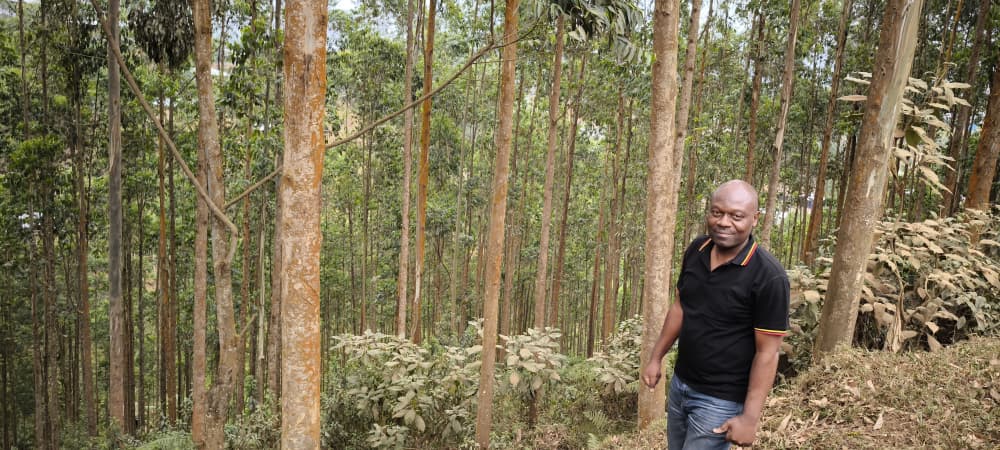
I oversee conservation and restoration work across the Virunga landscape in eastern Democratic Republic of Congo (DRC), where forests, wildlife, and communities are deeply interconnected. Created in 1925, Virunga is Africa’s oldest national park. It covers an area of 7,900km2, and is both a World Heritage Site and a Ramsar Site (a wetland site designated to be of international importance under the Ramsar Convention). As the Virunga Landscape Manager for WWF-DRC, I coordinate a wide range of activities that aim to restore degraded land, protect biodiversity, and support the people who depend on these landscapes every day.
My journey into conservation began in my home country of Cameroon, where I worked with two FSC-certified logging companies in the Congo Basin. That experience gave me valuable insight into forest management, but it also allowed me to witness the limits of certification in preventing forest degradation. While there were systems in place to guide more sustainable practices, the focus remained on timber production. I began to feel that this approach was not enough to protect forests in the long term. When I had the opportunity to join WWF in the Democratic Republic of Congo in 2010, I decided to dedicate my career fully to conservation, drawn by the focus on biodiversity and the central role of communities. In this work, communities are at the heart of everything we do, and supporting them while strengthening climate resilience continues to motivate me.
My day-to-day work is very diverse. I oversee a portfolio of conservation and restoration activities, managing teams, coordinating with partners, and working closely with local communities. I engage with donors, align our work with WWF priorities, and ensure that our projects deliver both ecological impact and tangible benefits for people. Some days I am in the office monitoring progress and managing projects, and other times, when security allows, I spend time in the field. The Virunga landscape is vast, and access is not always possible, but when I am there, I assess activities, track progress, and work directly with communities.
In the field, I follow to understand how our projects are progressing, from reforestation and agroforestry systems to clean cooking solutions such as improved cookstoves and biogas, as well as community forest activities. We also support community forestry and distribute solar panels to households, all with the aim of reducing pressure on the forest while planted areas grow. Since becoming Landscape Manager in 2022, I have focused on strengthening community ownership, giving communities more practical responsibility in managing and monitoring their work.
One important step has been introducing digital tools. We provided smartphones and trained civil society organisations and community members to collect and track restoration data. Previously, this was done on paper and later transferred to spreadsheets, but now data can be uploaded directly from the field into a central database using systems like Kobo Toolbox. This has improved monitoring and strengthened local ownership, even though there are still challenges in adapting to the technology.
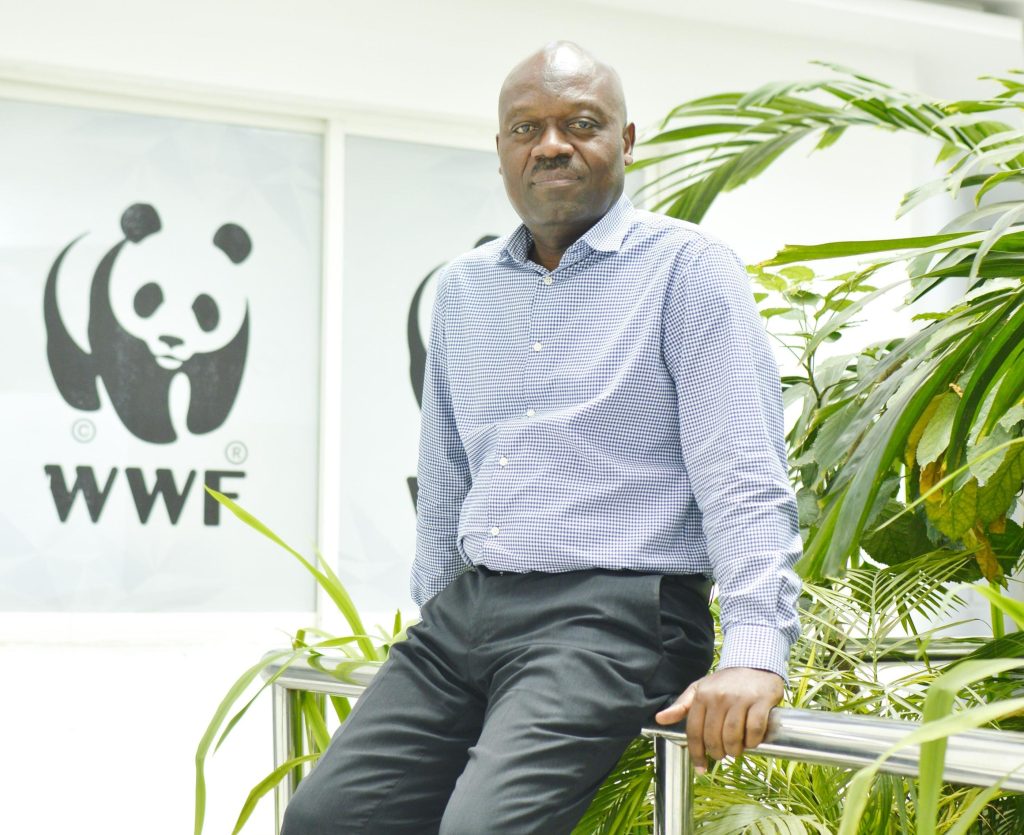
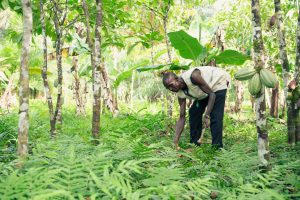
Our restoration efforts are growing. Since 2008, we have restored around 15,000 hectares of land, and we continue to expand each year. A key part of our approach is establishing community-managed woodlots that provide fuelwood and charcoal, reducing the need to enter protected areas like Virunga National Park. We also support livelihoods through beekeeping, charcoal production, agroforestry, and non-timber forest products, helping communities diversify income. Crops such as cocoa, coffee, maize, and bananas are grown alongside trees, creating productive and sustainable systems.
We work with more than 150 communities across six territories, focusing on households where entire families are involved. Women are often engaged in nursery work, preparing seedlings, while men tend to take on more physically demanding tasks such as planting and charcoal production, although roles can vary. Education is also central to our work. Each year we collaborate with 10 to 15 schools, supporting teachers to integrate environmental education into their curricula. Students take part in nursery activities and establish school gardens, helping build awareness and skills from a young age. In addition, we run regular radio broadcasts that extend this learning beyond the classroom, sharing environmental messages and practical advice with local communities to strengthen public engagement and awareness.
The challenges in this landscape are significant. Security is one of the most complex issues, and access to certain areas can change quickly. At times, it is not possible for our teams to be in the field, so we rely on local partners and organisations such as the Red Cross to monitor activities. Despite this, we continue our work by adapting, following strict procedures, and working closely with those who understand the local context. High population density and pressure on land also create challenges, with unsustainable charcoal production remaining a major driver of deforestation. This is why providing viable alternatives is essential.
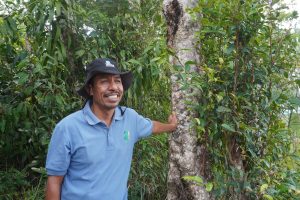
What motivates me most is seeing the tangible impact of our work. I have seen forests begin to recover and communities gain new opportunities through beekeeping and agroforestry. These changes take time, but they are real. I am also inspired by the diversity of my role and the opportunity to collaborate across borders with colleagues in the Greater Virunga Landscape (DRC, Rwanda and Uganda), and also through WWF’s Forest Landscape Restoration (FLR) in Africa initiative, working within a shared landscape that connects different cultures and ecosystems.
The Virunga landscape is special to me because of its richness. It is home to incredible biodiversity, including gorillas, chimpanzees, elephants, antelopes, birds, and amphibians. Recent surveys have confirmed the presence of many of these species, and we are now seeing wildlife return to community-managed areas. This shows that restored landscapes are becoming healthier and more connected. At the same time, the communities here are resilient and committed, and their strength is what makes this work possible.
The choices we make today will define the future of our forests, our climate, and our communities. Conservation is not separate from our daily lives. It is connected to how we live, consume, and act. I hope that future generations will inherit landscapes that are thriving and resilient, and that they will take pride in them. Protecting nature is not just about saving trees or species. It is about safeguarding the foundation of life itself.