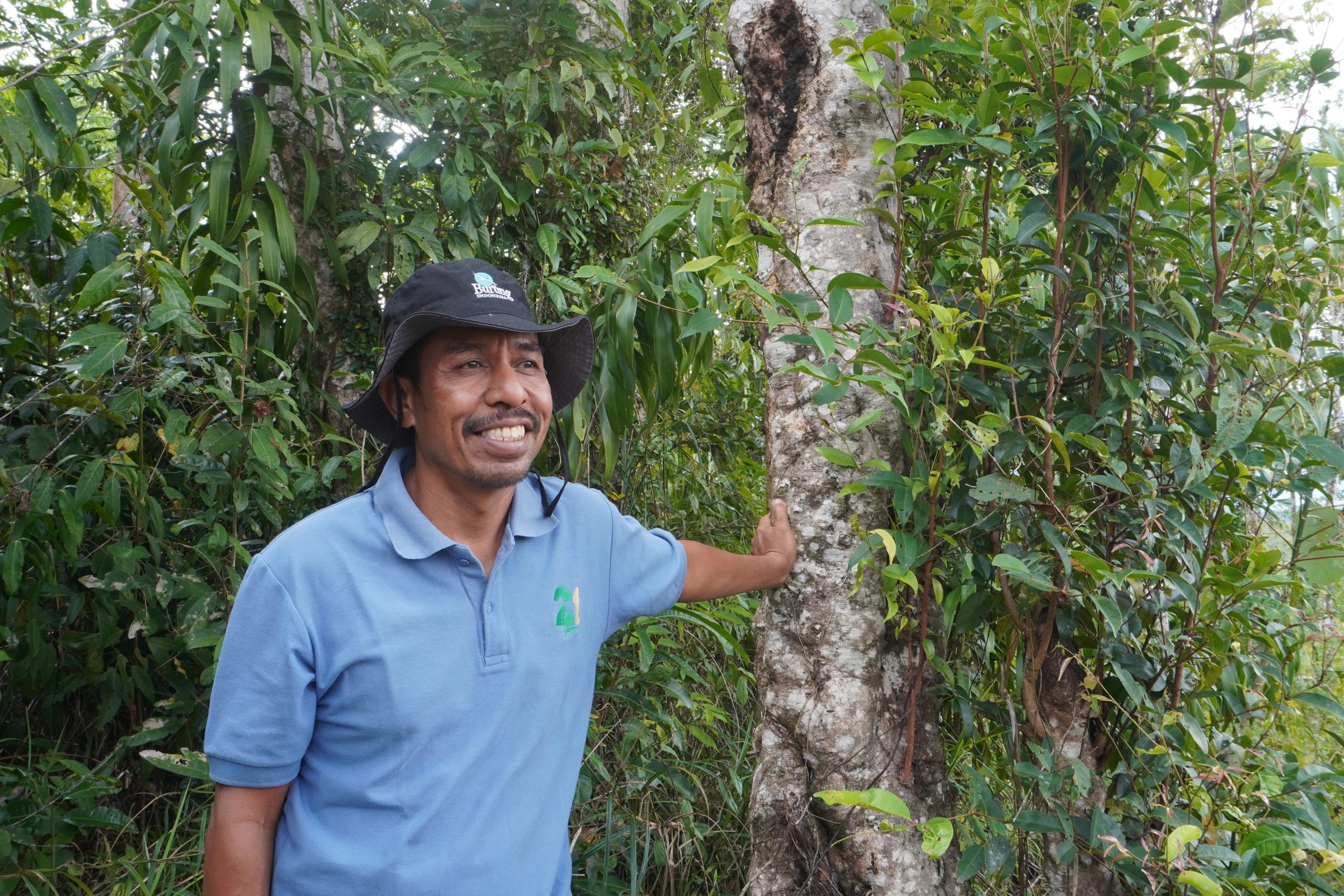
I did not always imagine myself working in conservation. At school, I studied biology, but when I went to university I chose to study philosophy, which at the time felt very far from the world of conservation. After graduating, I worked with a development NGO and in advocacy, supporting a community that was struggling to reclaim their land and forest. That experience changed the way I thought about the relationship between people and nature. I began to understand that protecting nature cannot be separated from recognising the needs of the people who depend on it.
When I joined Burung Indonesia in 2008, I still thought conservation was mainly the work of environmental scientists, biologists and foresters. Working directly with communities changed that perspective. I came to see that conservation needs people from many different disciplines, and that understanding how people participate in decisions about their landscapes is just as important. It gave me confidence that my own experience and skills had a place in conservation too. I started at Burung Indonesia as a Community Participation Officer, working directly with villages, supporting community empowerment. After two years, I became Team Leader for Mbeliling and later Programme Manager for Burung Indonesia in Flores. Today, much of my time is spent on project management, reporting and supporting our teams, but my years in the field continue to shape the way I approach my work.
One of the most important things I have learned is that we cannot expect people to care about conservation simply because we tell them it is important. For rural communities facing economic challenges, conservation may understandably not be the first priority. When we work with farmers, community leaders and customary leaders, we must listen to what matters to them and find a way of talking about conservation that connects with their everyday lives. Our work monitoring ecosystem services in Mbeliling showed me how powerful this approach can be. At first, our monitoring focused on wildlife and species. The information was valuable, but we began to ask ourselves what these findings meant to the communities who actually live here. So we asked people to identify what they receive from nature and what matters most to their daily lives. Their first priority was water.
The connection is simple, but powerful. Water comes from the forest; protecting the forest therefore means protecting the water that people need for their homes, farms and livelihoods. Conservation becomes relevant not because people have been told to follow a regulation, but because they can see how caring for the landscape is connected to their own lives. This thinking is central to our work in Mbeliling, as the landscape provides habitat for endemic and globally threatened species, a vital water source, productive agricultural land, and is becoming an increasingly important destination for nature tourism. Our goal is to help ensure that Mbeliling is managed in a way that is economically productive, ecologically sustainable and socially fair.
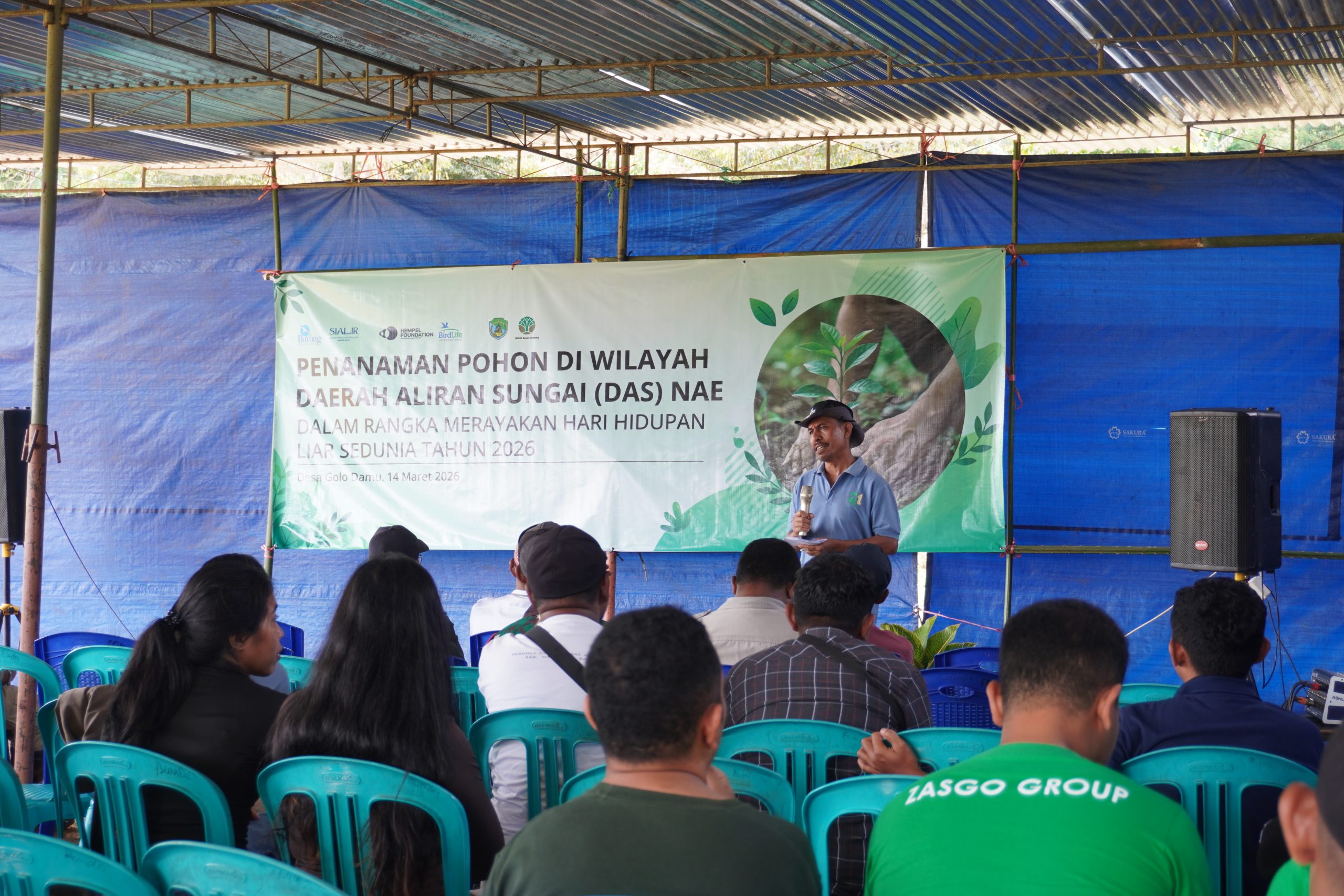
We work alongside communities to develop village land-use plans, support local conservation groups and monitor the ecosystem services that the landscape provides. We also restore degraded and high conservation value areas, develop agroforestry systems and build awareness of the importance of protecting the landscape. Water connects many of these efforts. Tree planting and forest restoration are particularly important in catchment areas, and we have linked this work with Payment for Ecosystem Services approaches. This creates a connection between people downstream, who benefit from the water, and communities upstream who are protecting and restoring the forests it comes from, building a shared understanding that protecting these resources is a collective responsibility.
That responsibility is becoming increasingly important as the landscape changes. Tourism development across Flores has grown considerably in recent years. It can result in economic opportunities for communities, but it also creates pressure on the land through new infrastructure and changing land use. The challenge is finding ways for development to happen without losing the ecological values that make Mbeliling so important. We work with government and communities to find ways for land to provide both economic and ecological benefits. Through agroforestry, farmers retain their land to plant trees and grow productive crops that support their livelihoods, and at the same time help maintain the health of the landscape. We also work with schools, churches and other local organisations to restore areas where trees have been lost.
None of this happens quickly. People naturally want to see results, while conservation often requires patience. I have learned that when even a few people understand why conservation matters and choose to become involved, that is meaningful progress. Over time, participation can grow, along with a stronger sense of responsibility for the landscape. After 18 years with Burung Indonesia, I am still learning from the people I work with. It is a constant reminder that conservation is not something we can do for communities; it is something we have to do with them.
Nature conservation is deeply important to me because none of us can live without the support of nature. When we protect nature, we are also protecting our own lives and our future. I think of nature as another mother, caring for us and providing the things we need to live.
There is no doubt that Mbeliling is special. Flores is home to several Key Biodiversity Areas and Important Bird Areas, and Mbeliling provides habitat for endemic and globally threatened species. But it is also a source of water, a place where people farm and make their living, and a landscape that people call home. Mbeliling is part of my everyday life.
For me, this landscape is a heritage, not merely a forest. It is like the shade of a tree where people take shelter from the heat of the day. It is a sanctuary for biodiversity, a vital source of water and a home for local communities. Ensuring its future is a responsibility we all share.
The actions we take today will determine what future generations inherit. I hope they will still be able to hear the calls of Flores' endemic birds, breathe the fresh mountain air and benefit from the natural resources that Mbeliling provides. If we can protect this landscape while ensuring that the people who depend on it can continue to thrive, then we will pass on something truly valuable to those who come after us.
Burung Indonesia is a local partner of BirdLife International. It is part of BirdLife's Forest Impact Accelerator. Read more about the Accelerator here.