October 2026
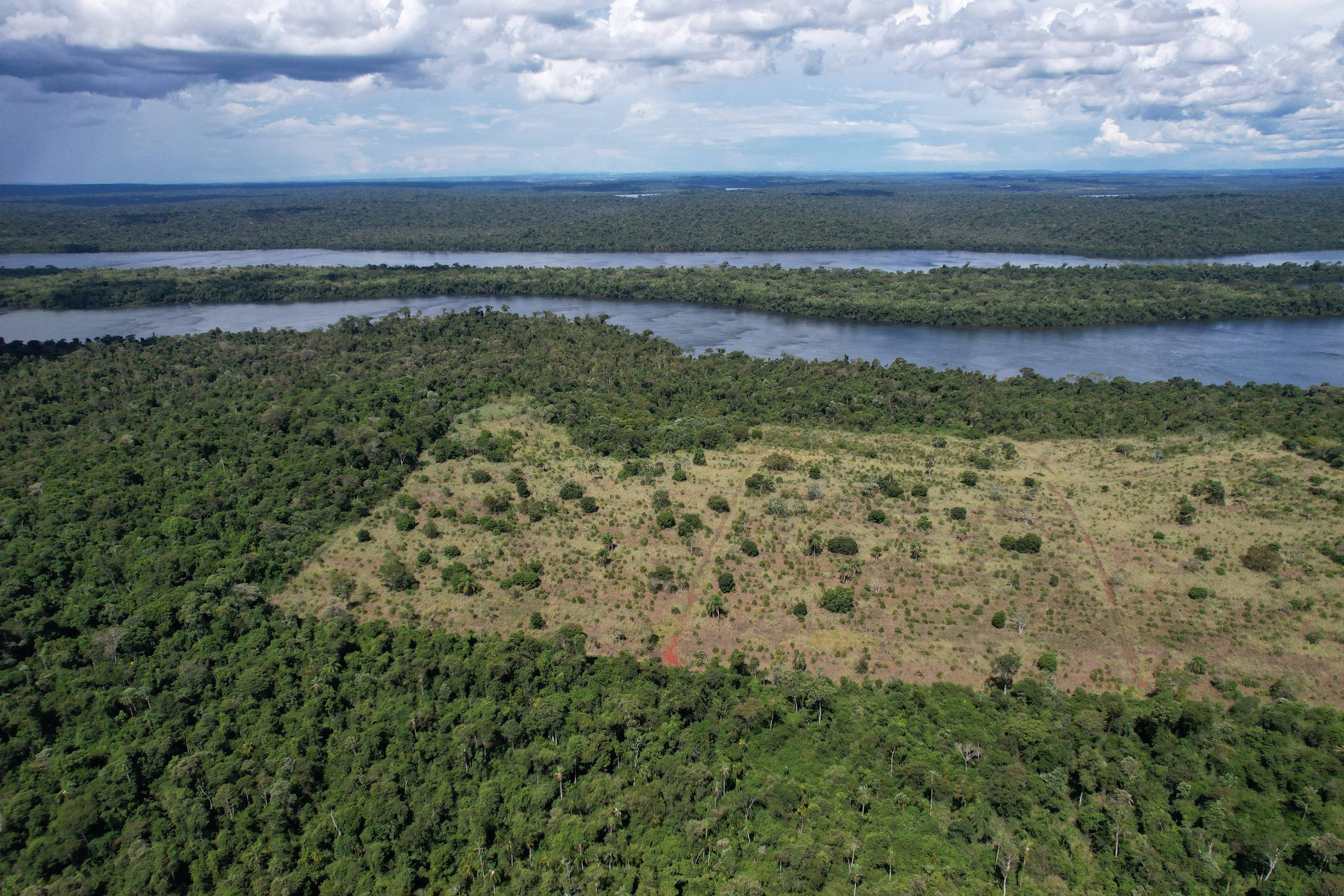
In the far north-east of Argentina, the forests of Misiones form part of the Atlantic Forest, a landscape where dense native forest, rivers, protected areas, Indigenous territories, and working farms come together. These forests form part of an important network of Key Biodiversity Areas and ecological corridors that connect habitats across the province.
This connected landscape provides habitat for some of the region’s most distinctive wildlife, including jaguars and lowland tapirs, as well as hundreds of bird species. Around Lake Urugua-í, restored forests form part of a landscape supporting approximately 376 bird species while strengthening habitat around Iguazú National Park.
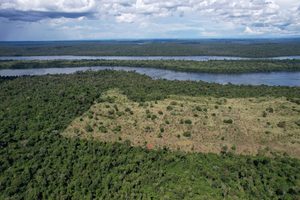
But parts of Misiones’ forests have been degraded by historic land use, selective logging, invasive species, infrastructure development, and fire. As forest becomes fragmented, the connections that wildlife and local communities depend on can also be weakened.
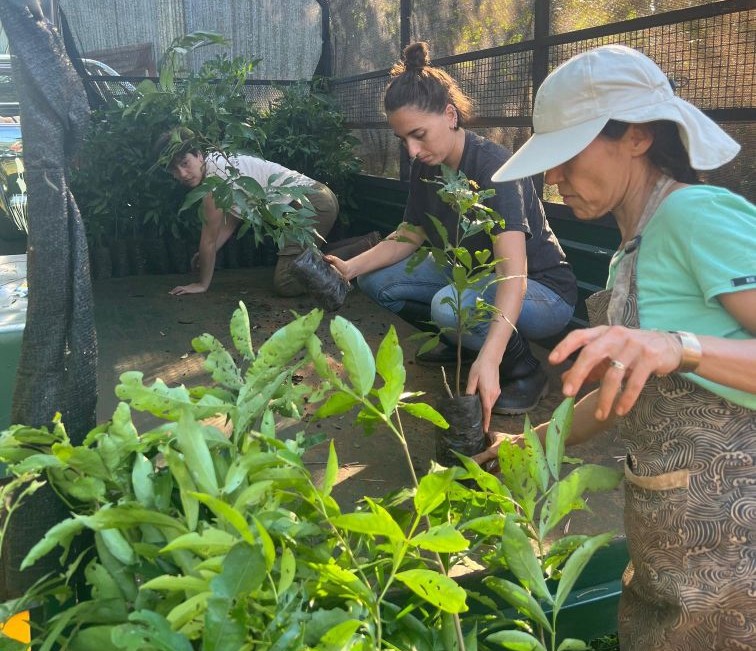
To help restore these landscapes, BirdLife International Partner Aves Argentinas, supported by the Trillion Trees ReForest Fund, is working alongside Indigenous communities, farming families, municipalities, protected areas, and other local partners. Across Misiones, the project combines native tree planting, forest enrichment, restoration of degraded land, and agroforestry, with more than 257 hectares restored to date.
Local communities are central to this work. On land belonging to the Mbya Guaraní community of Tekoa Nuevo Amanecer, more than 5,000 native trees have been planted across nearly 20 hectares of degraded land. Restoration activities there have also supported improvements to the community’s access road and electrical infrastructure, helping strengthen living conditions alongside forest recovery.
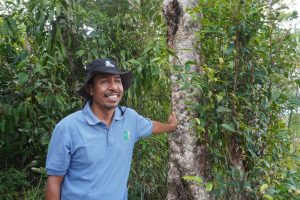
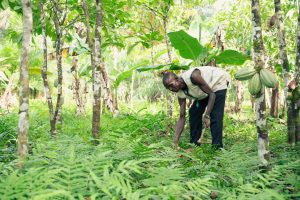
The project is also working with yerba mate farming families to integrate native trees into productive landscapes. Native to the subtropical forests of Argentina, Brazil, Paraguay and Uruguay, yerba mate is a traditional South American caffeinated herbal drink made from the dried leaves and stems of the Ilex paraguariensis holly plant, a broadleaf evergreen tree. These trees provide shade, improve water retention and soil quality, help protect crops from heat and heavy rainfall, and create small biodiversity corridors through farmland. By strengthening both ecological resilience and production conditions, this approach is supporting the livelihoods of farming families while reconnecting fragmented forest.
To date, the project has directly benefited 220 families, including 193 Mbya Guaraní families and 27 farming families. By bringing restoration into community lands, protected areas, and working farms, the project is helping rebuild ecological connections across Misiones while ensuring that the people who live within these forests also share in and benefit from their recovery.