Ahead of International Day of Forests on 21 March, our latest Trillion Trees paper explores one of the most pressing questions in conservation today: how do we deliver high quality, lasting Forest Landscape Restoration (FLR) in a world of competing land uses, financial constraints, and accelerating climate change?
The paper, Overcoming Challenges in Delivering Forest Landscape Restoration Initiatives, draws on five years of implementation experience across the Trillion Trees ReForest Fund portfolio. It combines a global literature review with insights from 24 forest restoration initiatives in 14 countries. It explores the common obstacles that restoration teams face and the practical adaptations that can help overcome them.
Restoration is about more than planting trees
FLR is not simply about planting seedlings. As defined by the International Union for Conservation of Nature (IUCN), it is the long-term process of regaining ecological functionality while enhancing human wellbeing across degraded landscapes.
That dual focus on nature and people is central to this year’s International Day of Forests theme: ‘Forests and Economies; celebrating the essential role of forests in driving economic prosperity’. Forests underpin local and global economies. They regulate water systems, stabilise soils, store carbon, provide timber and non-timber forest products, and sustain the livelihoods of more than a billion people worldwide.
Restoring forests at scale, and doing so in ways that are socially just, economically viable, and climate resilient, is complex. Drawing on both research and real world implementation, the paper identifies three core challenges that consistently emerge in restoration landscapes: land use pressures, financial constraints, and climate-driven change. Across each theme, we explore how restoration teams are adapting in real time to ensure long term success.
Land use pressures: co-design of restoration initiatives with local communities
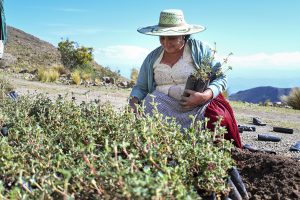
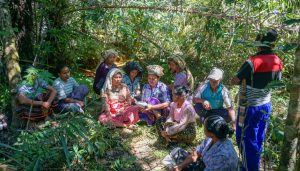
Many restoration projects operate in working landscapes, places where communities rely on land for farming, grazing, fuelwood, or other income generation. In these contexts, restoration cannot succeed without genuine community ownership and sustainable economic solutions.
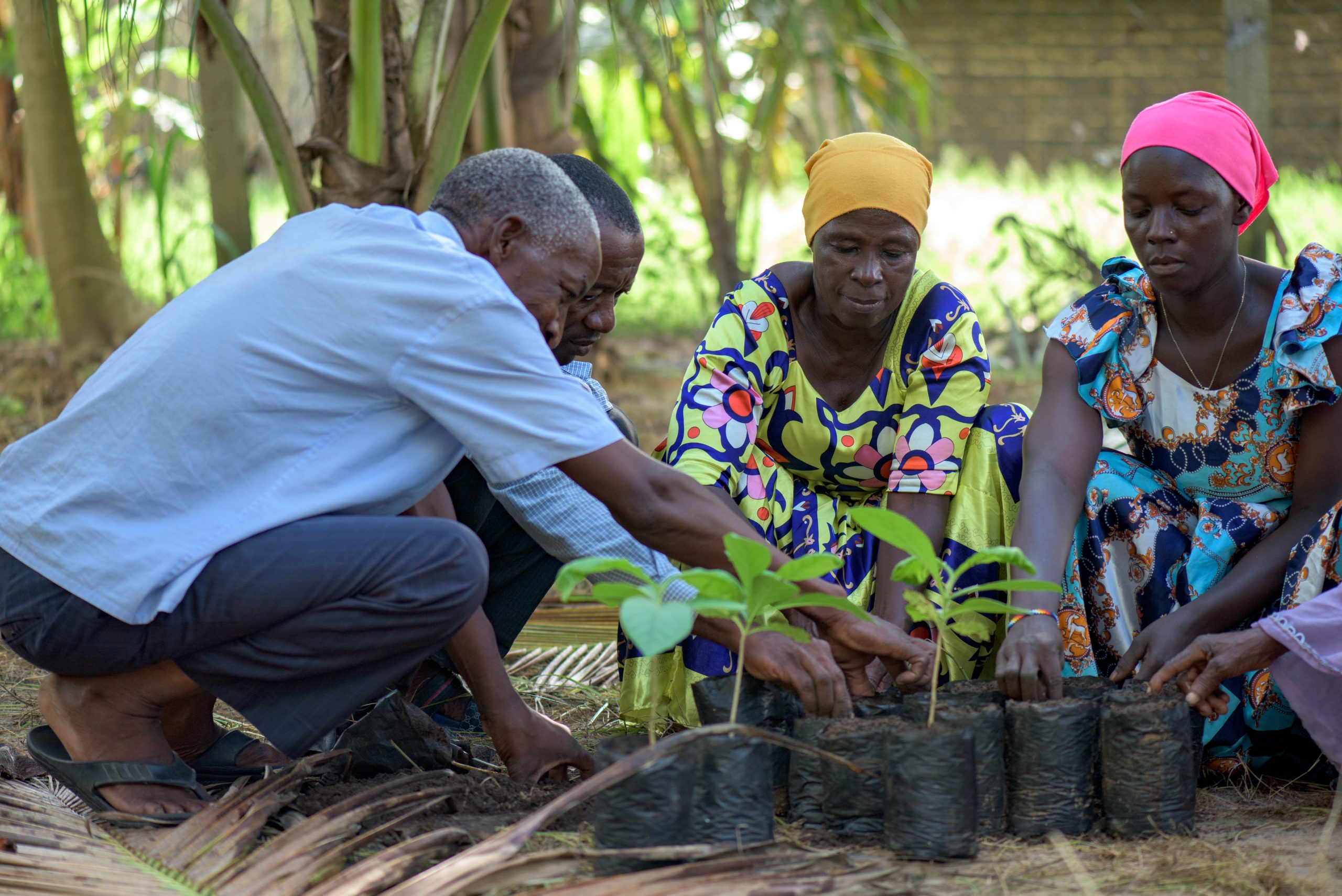
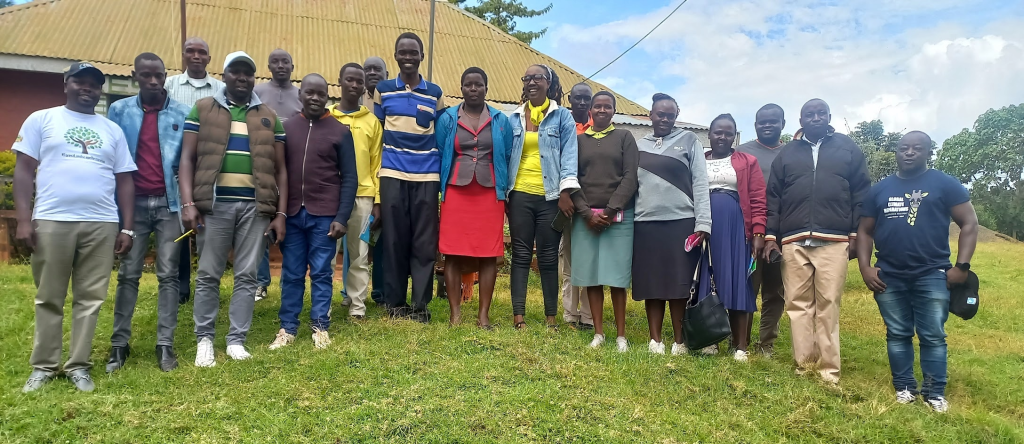
For example, in Kaptagat, Kenya, taking a community-led forest management approach has transformed restoration outcomes. Through transparent governance, Community Forest Associations and integrated livelihood models including agroforestry and seasonal crop systems, seedling survival rates have reached 93 percent.
In Peru’s Madidi-Tambopata landscape, restoration efforts balance ecological priorities with farmers’ economic realities. By integrating native tree species into coffee agroforestry systems, families restore degraded land while maintaining and, in many cases, improving long term income.
These examples show that recognising rights holders, addressing opportunity costs, and embedding restoration within local economies is foundational to success.
Financial challenges: budgeting for reality
A second major barrier to effective restoration is financial. Projects can often be under-budgeted; cost calculations may focus on seedlings and planting days, while overlooking factors such as site preparation, long term maintenance, monitoring, governance, land tenure clarification, and community capacity building.
The paper highlights the importance of full lifecycle costing, including long term monitoring of restored areas, which can represent up to 20 percent of total project costs but is essential for planted trees to grow into biodiverse forests.
At a broader level, scaling restoration requires moving beyond short-term philanthropic funding. Innovative finance mechanisms, including payments for ecosystem services, sustainable agroforestry markets, and carbon finance, are increasingly important in creating restoration models that can sustain themselves economically.
Through the Forest Restoration Catalyst, Trillion Trees is supporting projects to move from early stage feasibility to investment readiness, helping build the financial frameworks and enabling conditions required for landscape scale impact.
Climate driven change: restoring in an era of uncertainty
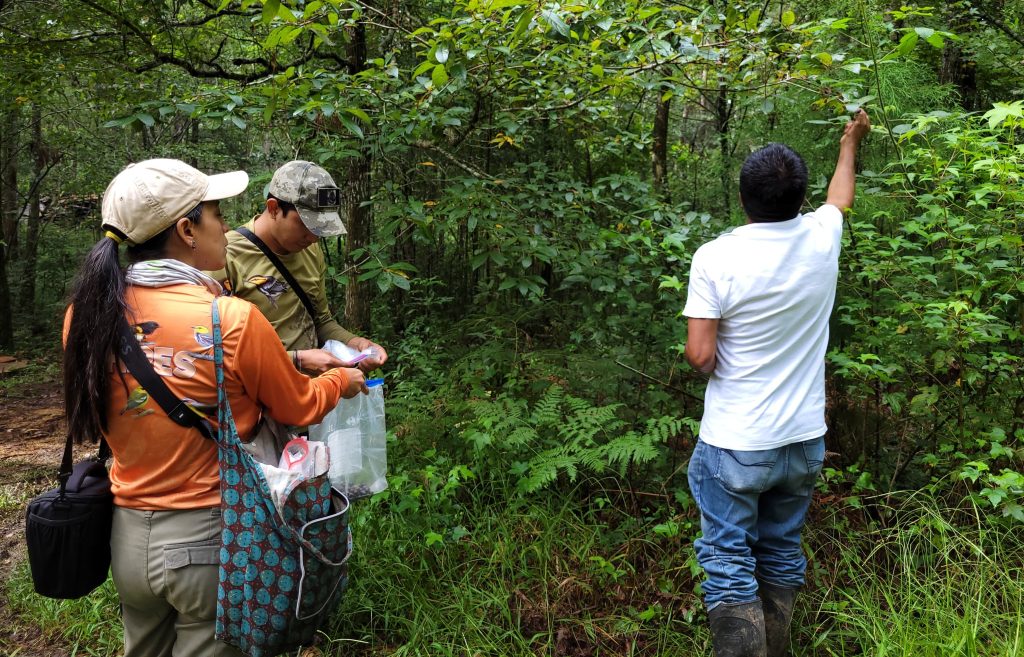
Climate change is no longer a future risk. It is a present operational reality. Unseasonal droughts, extreme heat, frosts, and wildfires are already affecting restoration outcomes. In Mexico’s Jovel Valley Basin, extended drought in 2024 led to approximately 50 percent seedling mortality in field sites, prompting investment in water storage infrastructure, frost protection and revised planting calendars.
In Northern Chiquitanía, Bolivia, mitigating wildfire risk has become central to restoration planning. Integrated fire management, fuel monitoring, and community fire prevention plans are now embedded in project design. Restoration strategies must integrate climate adaptation from the outset, including species diversification, climate resilient seed sourcing, fire management, and continuous monitoring. Adaptive management is essential.
Forests and economies: investing in resilience
This year’s International Day of Forests reminds us that forests are an important economic infrastructure. They underpin water security, agricultural productivity, climate regulation, and biodiversity, all of which support human prosperity.
Restoring forests in ways that genuinely strengthen local communities and their economies requires secure land rights, community co-design and participation, realistic budgeting, long term financial strategies, climate smart planning, and ongoing monitoring and adaptation.
There is no single blueprint, as each landscape is unique. Yet across continents and contexts, the evidence is clear. When restoration is rooted in local realities and supported by robust planning and adaptive management, it delivers lasting benefits for people, nature, and climate.
This technical paper bridges theory and practice, demonstrating how global principles of FLR are applied on the ground and how challenges can be transformed into opportunities for innovation and improvement.
We invite practitioners, partners, and funders to explore the findings and join us in strengthening the quality, credibility, and economic resilience of forest restoration worldwide.